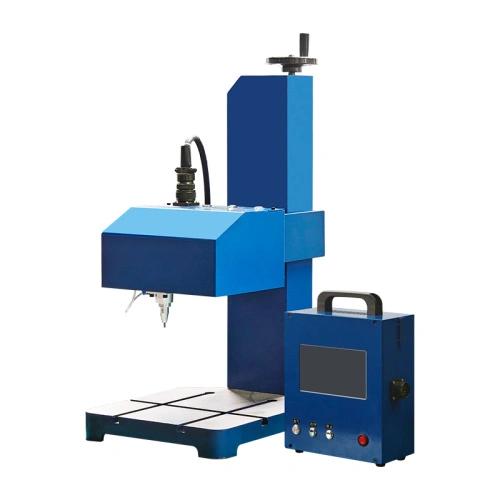
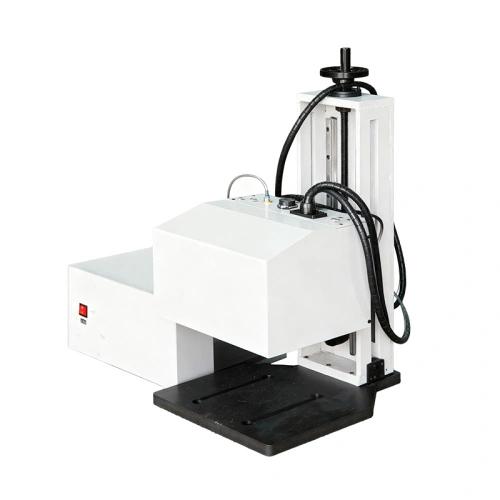
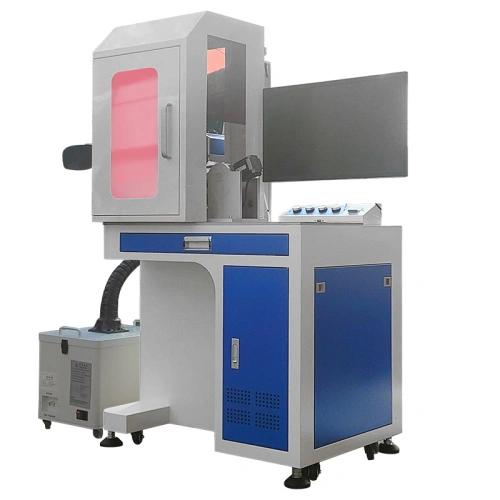
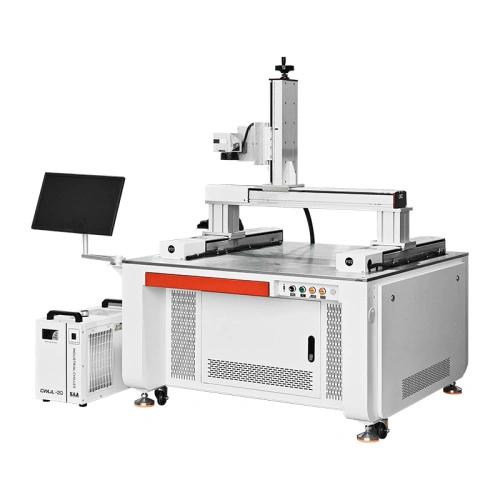
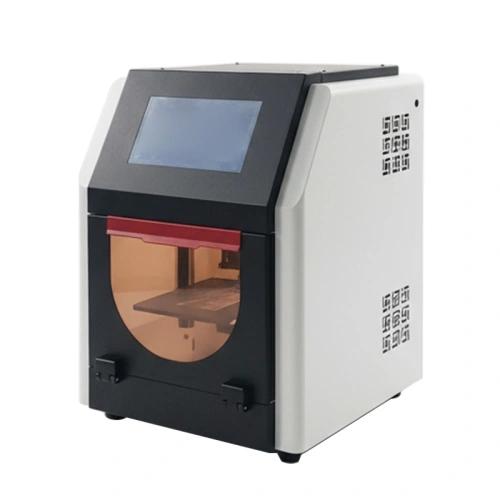
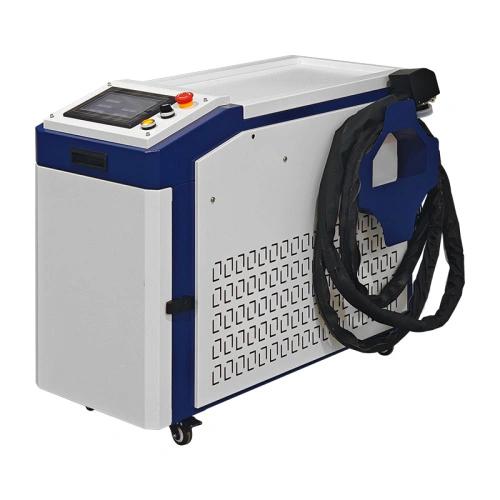
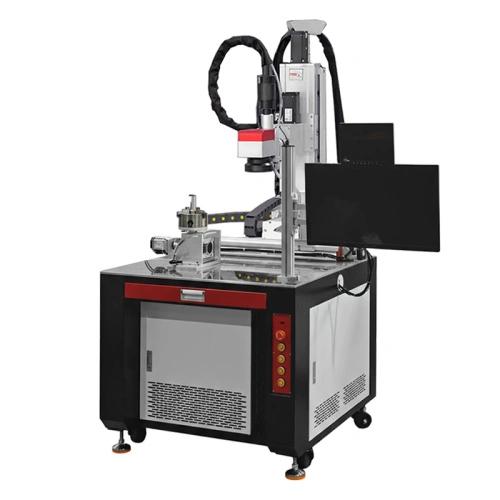
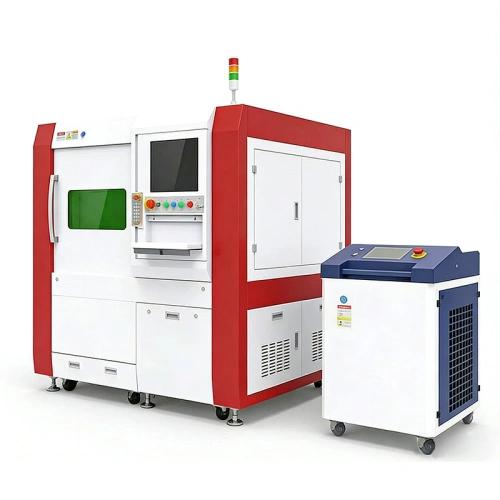
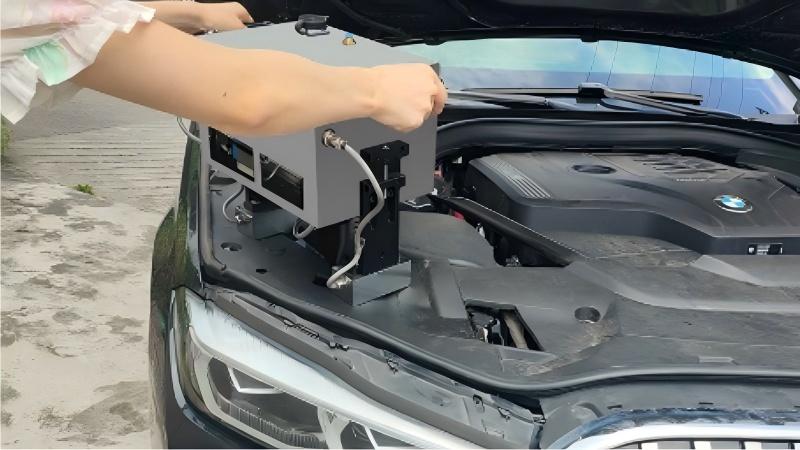
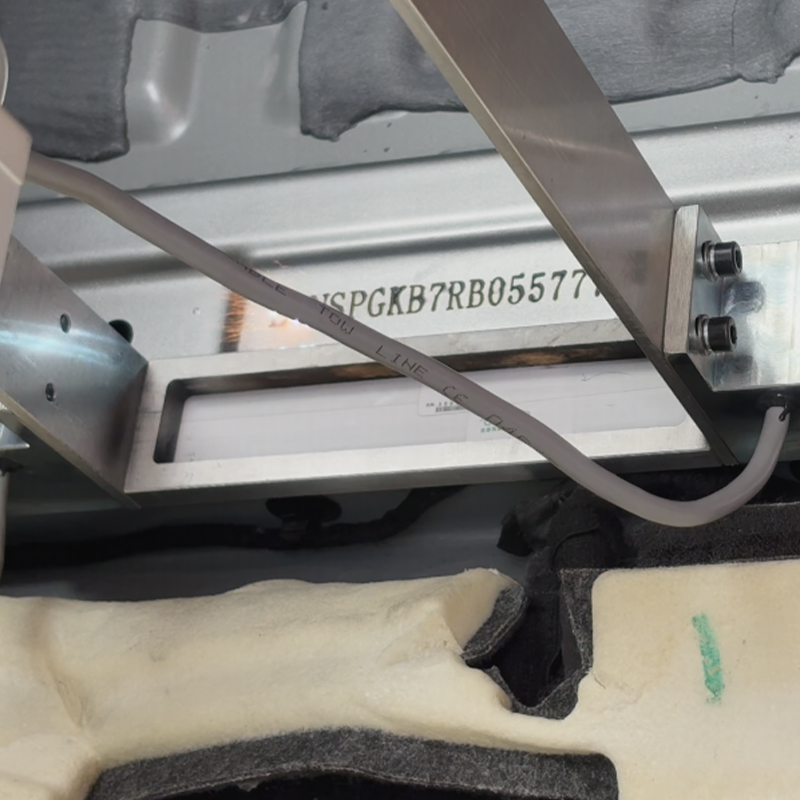
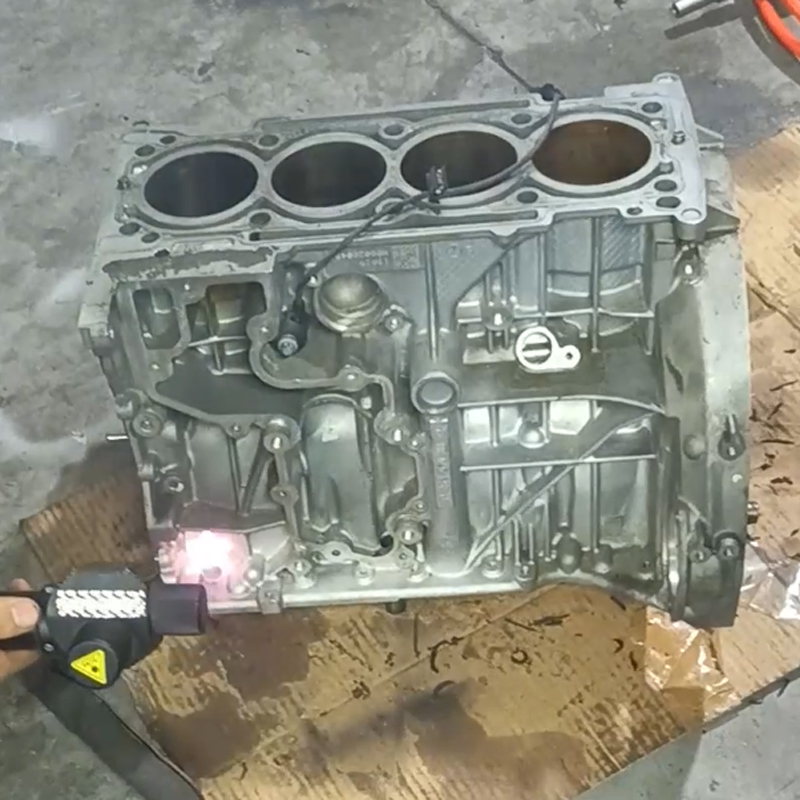
The 17-digit VIN is the equivalent of a vehicle ID, and car and motorcycle manufacturers invariably use pneumatic pinning, pneumatic scribing and laser engraving for permanent marking, while the used car market also requires re-marking of rusted or worn chassis. We started our business with VIN marking and expanded it to include traceability marking, laser welding and cleaning of all types of components for the automotive industry to provide a one-stop solution.
Technologies for Automotive
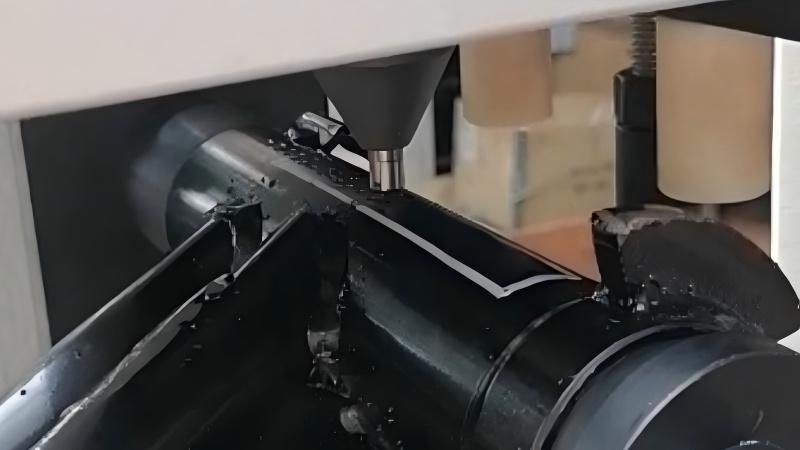
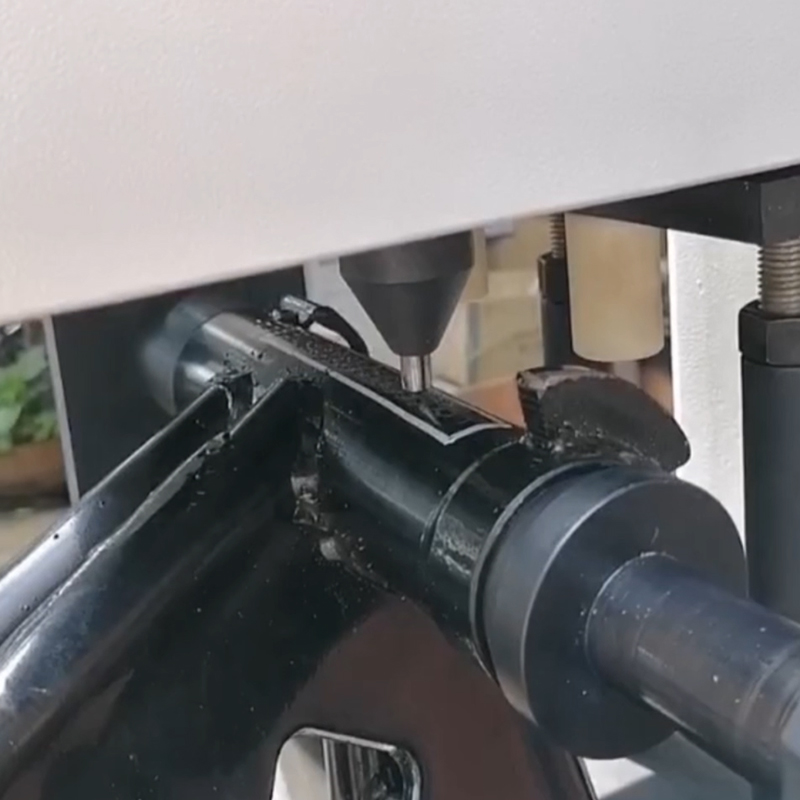
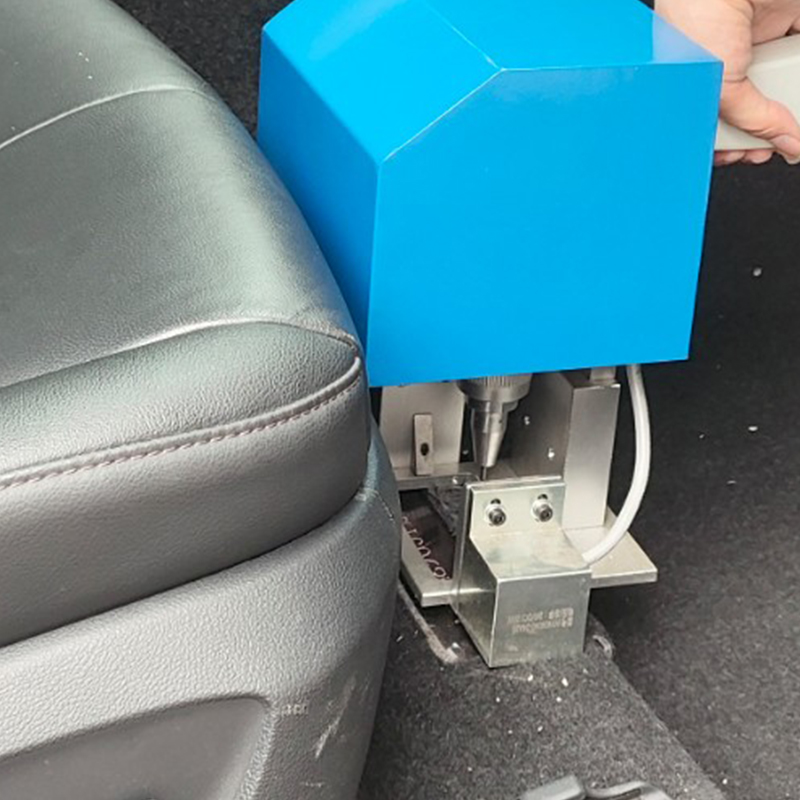
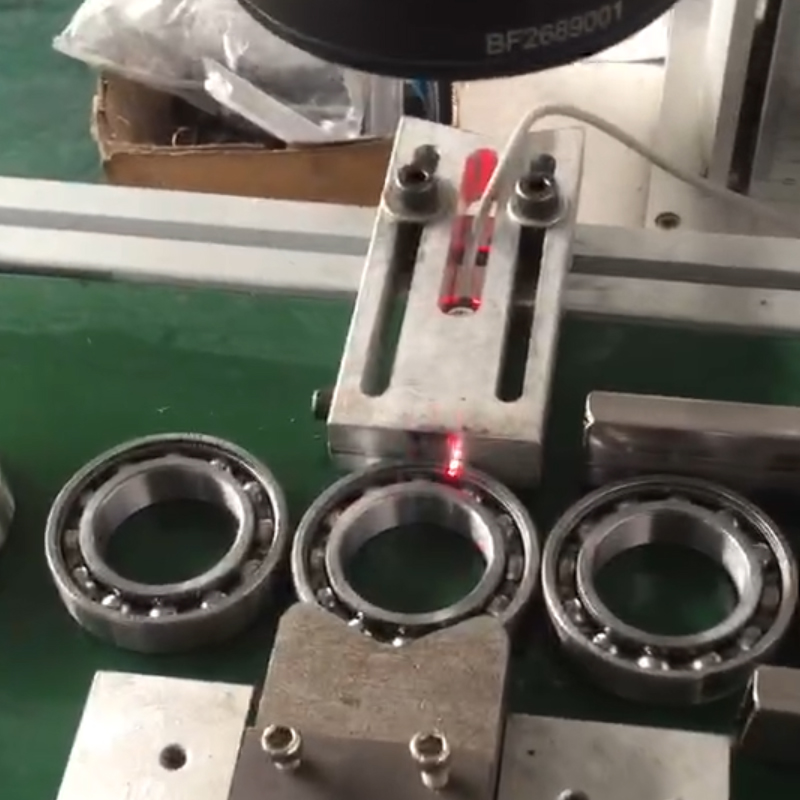
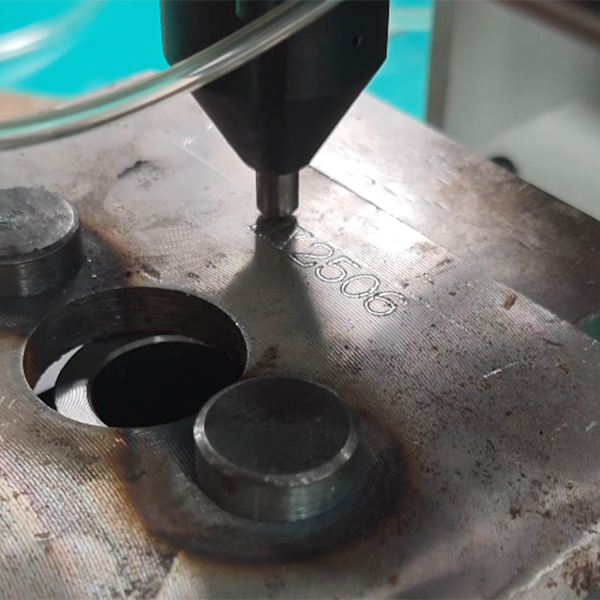
Dot Peen & Scribe Marking
A mature, reliable, and widely adopted marking method suitable for vehicle identification numbers (VINs), chassis, and component marking.
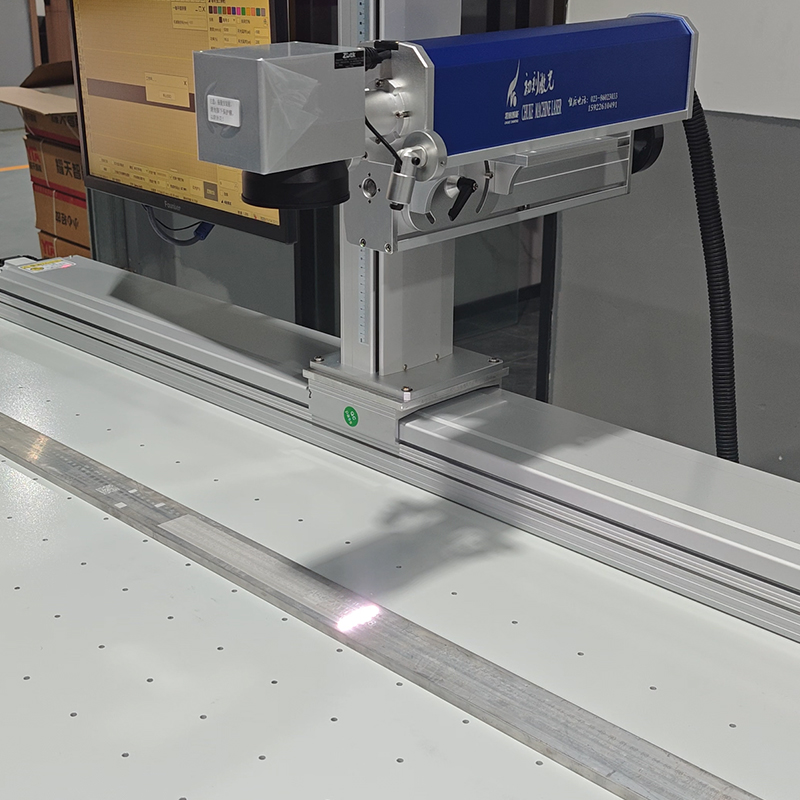
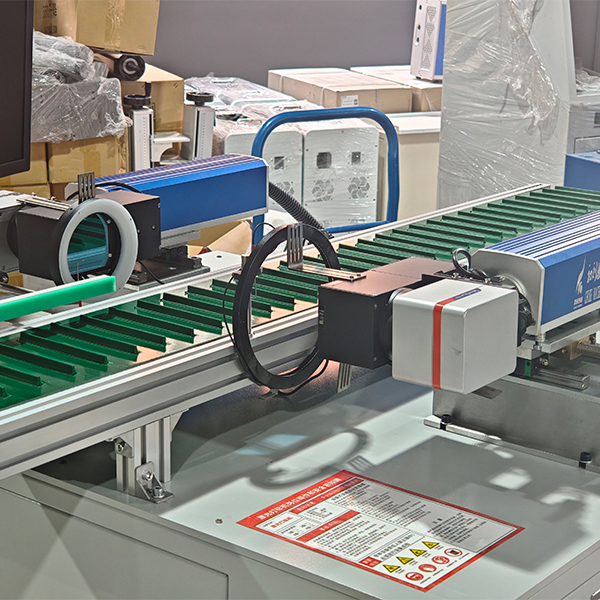
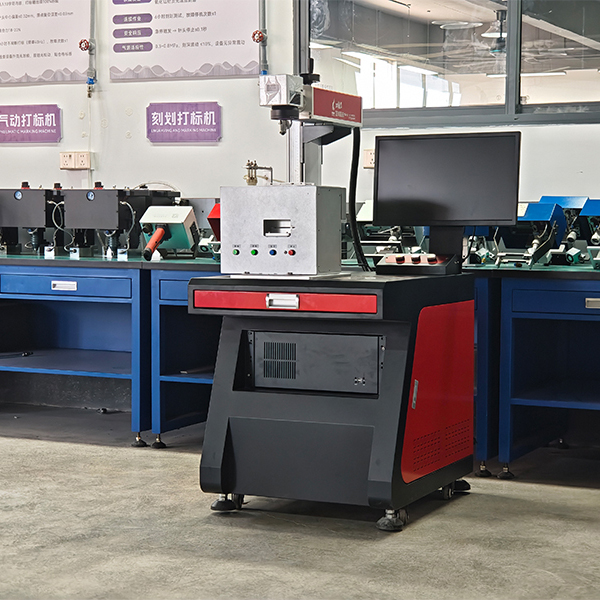
Laser Marking
A marking method suitable for both metallic and non-metallic materials, particularly ideal for fragile materials and micro-scale dimensions.
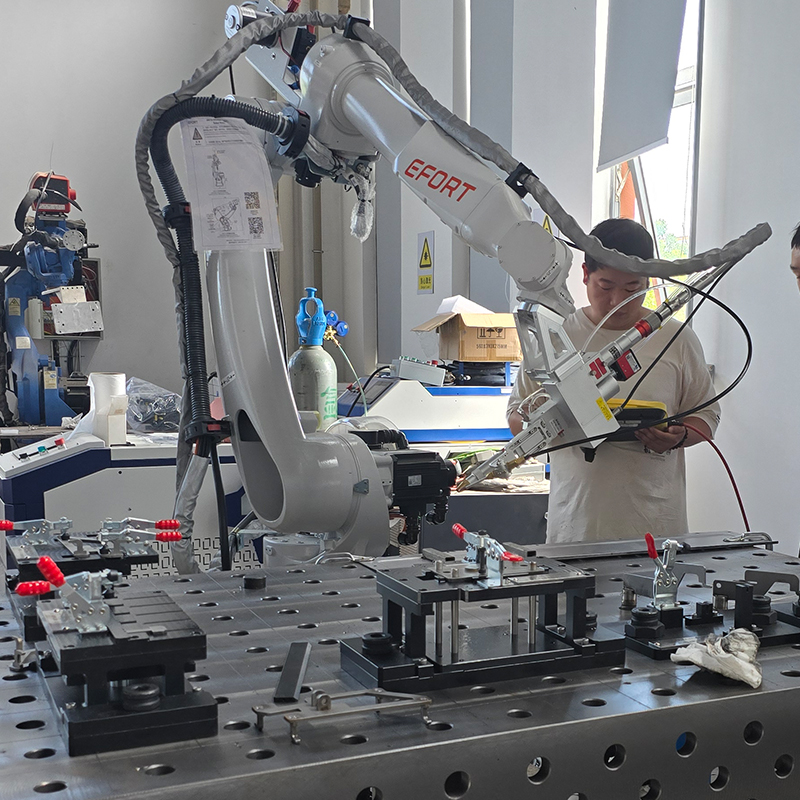
Laser Welding
Highly efficient contactless welding method, suitable for large-scale automated applications.
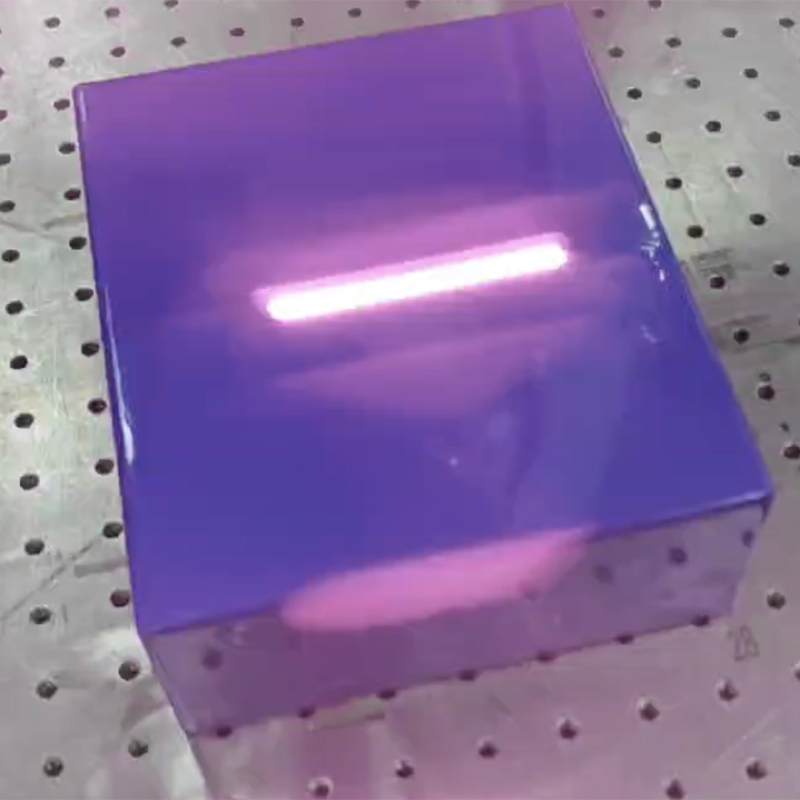
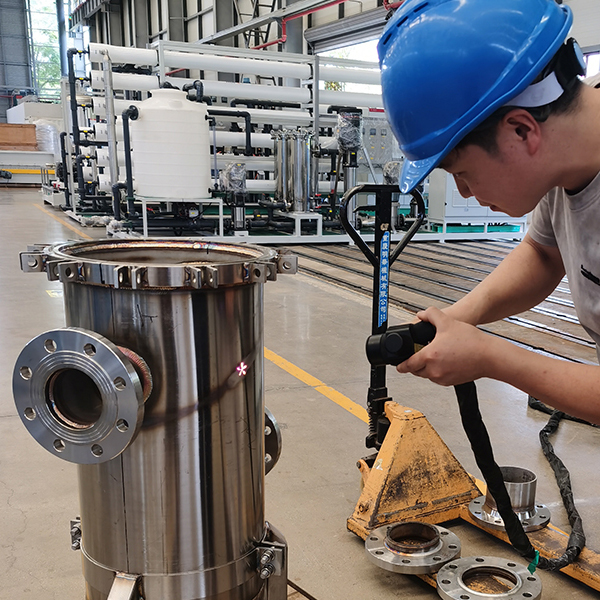
Laser Cleaning
The latest consumables-free, contactless cleaning method offers advantages in both quality and efficiency.
Many industries today face the same fundamental pressures. They must deliver products that are more precise, of higher quality, smaller in size, and consume less energy. On the manufacturing side, they also face higher production demands, stricter sustainability standards, and continuous pressure to reduce costs.
Lasers have become such widely used manufacturing tools because they consistently achieve all of these goals better than other mechanical, thermal, and chemical processes. This is because:
1
Laser processing is a non-contact process.
2
Lasers possess extremely high spatial selectivity.
3
Lasers possess coherence and high brightness.
4
Lasers are highly efficient.
5
Lasers are easy to automate.
6
Laser technology is suitable for a wide range of materials.
7
Laser technology supports advanced monitoring and closed-loop control.
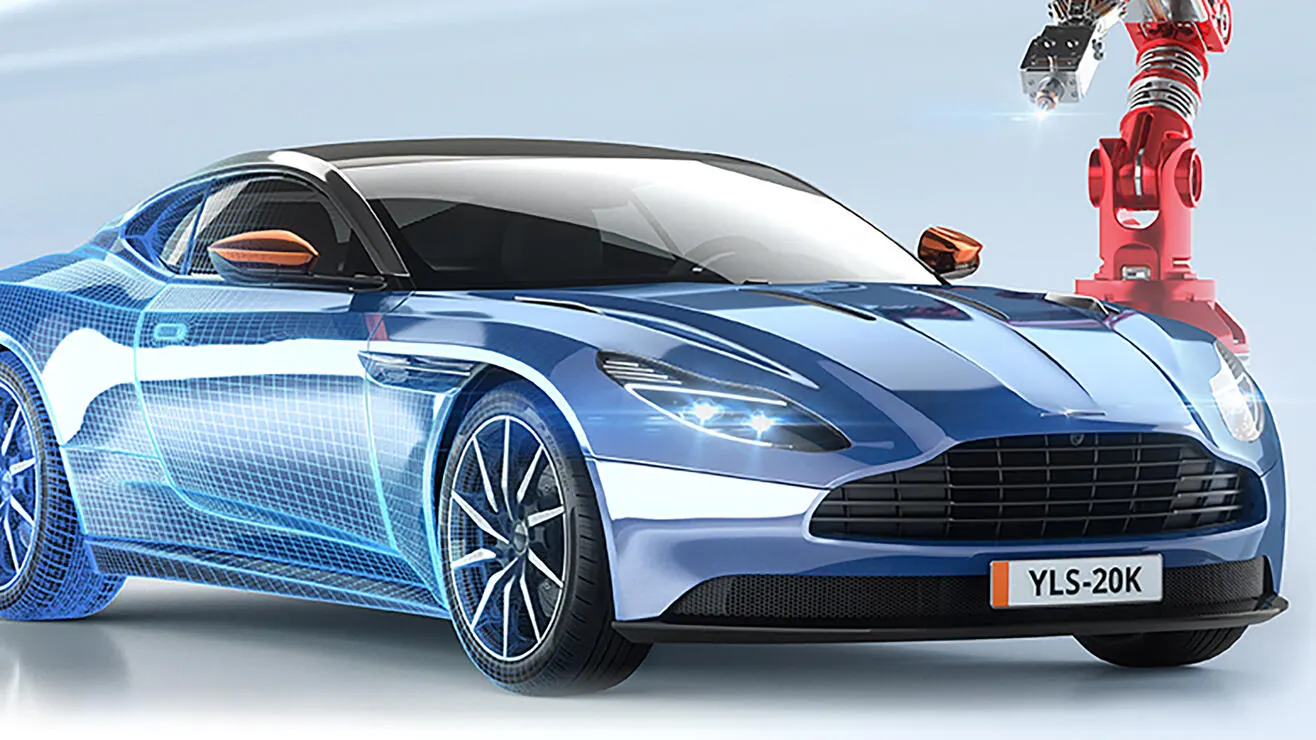
In the automotive manufacturing sector, laser technology has had the greatest impact in the following areas:
01
White body
High-speed laser welding with scanning head, low heat distortion, capable of welding high-strength steel/aluminum mixed materials in a single pass, resulting in improved dimensional accuracy and reduced rework.
02
Powertrain and Chassis Components
Dual-beam fiber laser welding is used for the housing, brackets, and suspension components, resulting in virtually no spatter, maintaining precise hole positions and mating surface accuracy, and increasing fatigue life.
03
Electric Vehicle Battery Manufacturing
High-speed, low-heat welding of copper-aluminum-nickel foil, tabs, and busbars; oscillation/dual-beam control minimizes spatter; online monitoring ensures zero defects in every cell.
04
Electric Motors
Hairpin copper wire undergoes a one-stop process of "laser paint stripping → forming → welding," resulting in low heat generation that doesn't damage the insulation layer, lower resistance, and increased power density.
05
Interior Trim and Decorative Parts
Laser cutting/drilling/day and night marking, burr-free edges, one-touch pattern change, backlit buttons, and speaker grilles are all formed in a single process.
06
Traceability and Compliance Marking
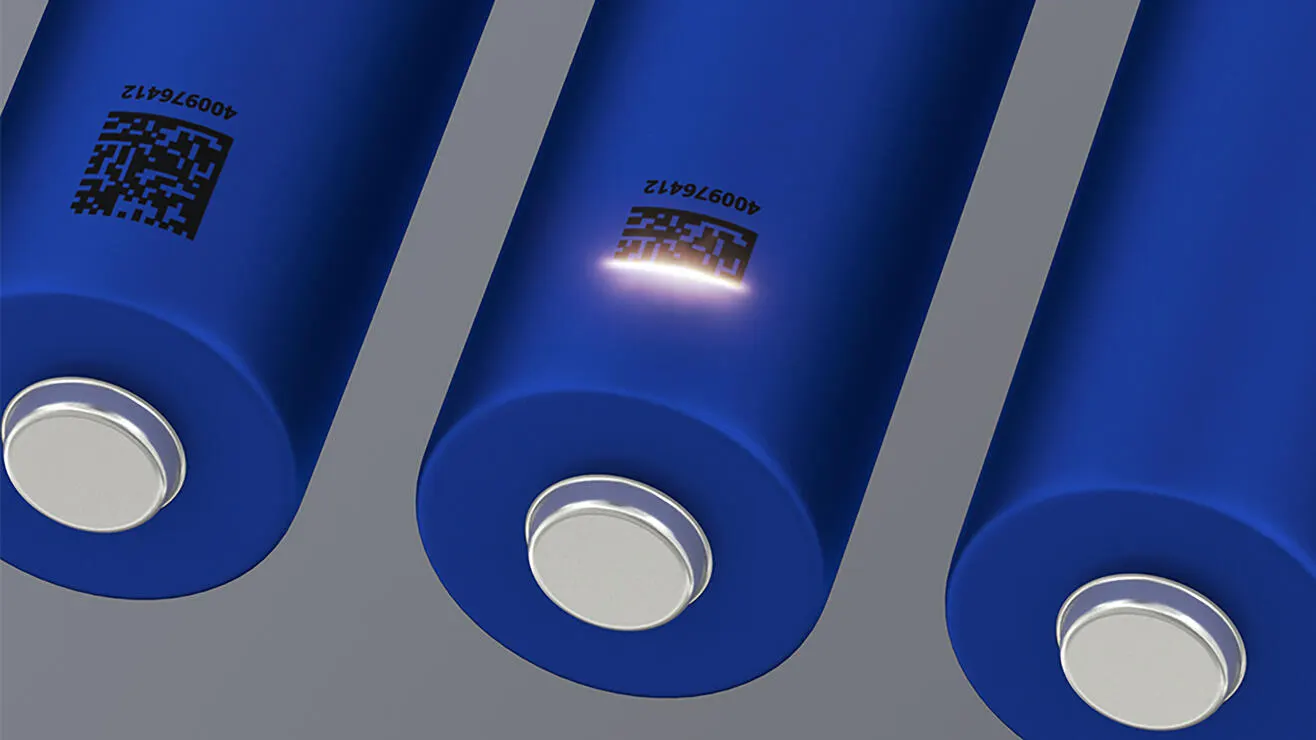
Universal laser marking for metal, plastic, and coated materials; serial numbers and DataMatrix codes are oil and temperature resistant, enabling full lifecycle traceability.
07
Surface Cleaning
Laser rust removal/paint removal/texturing, without damaging the substrate; one-step pre-treatment before welding/bonding, eliminating the need for sandblasting and masking.
08
Powder Coating Curing
High-power diode lasers provide localized, instantaneous heating, melting only the powder without heating the underlying part. This reduces curing time by 50% and energy consumption by 30%, and allows for online closed-loop control.
 Mr. cqchuke









 Send Inquiry Now